

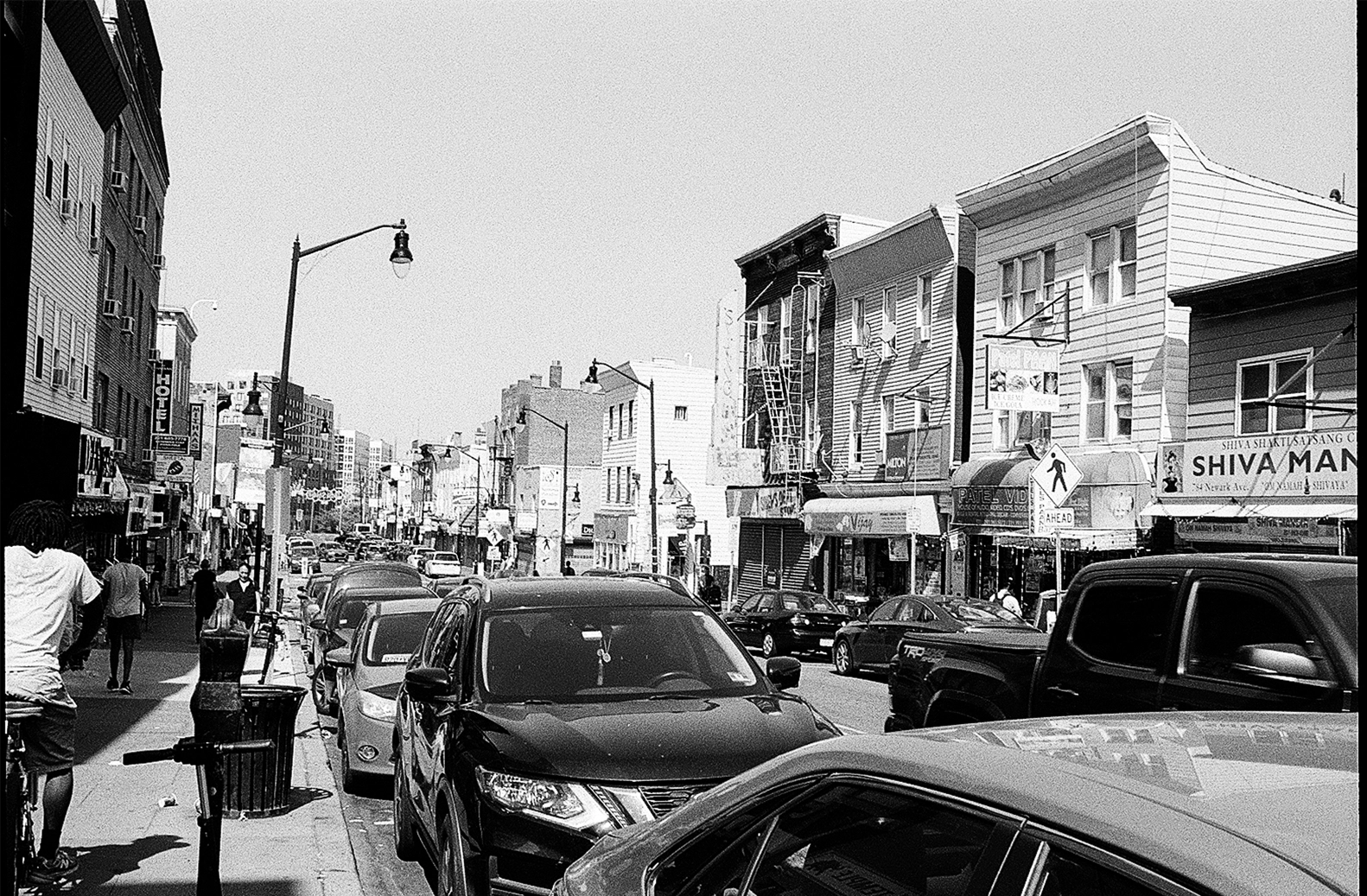
As a long-time Jersey City resident watching its rapid gentrification, Journal Square, particularly the strip on Newark Avenue, remains one of those streets that bears the history of the South Asian diaspora.
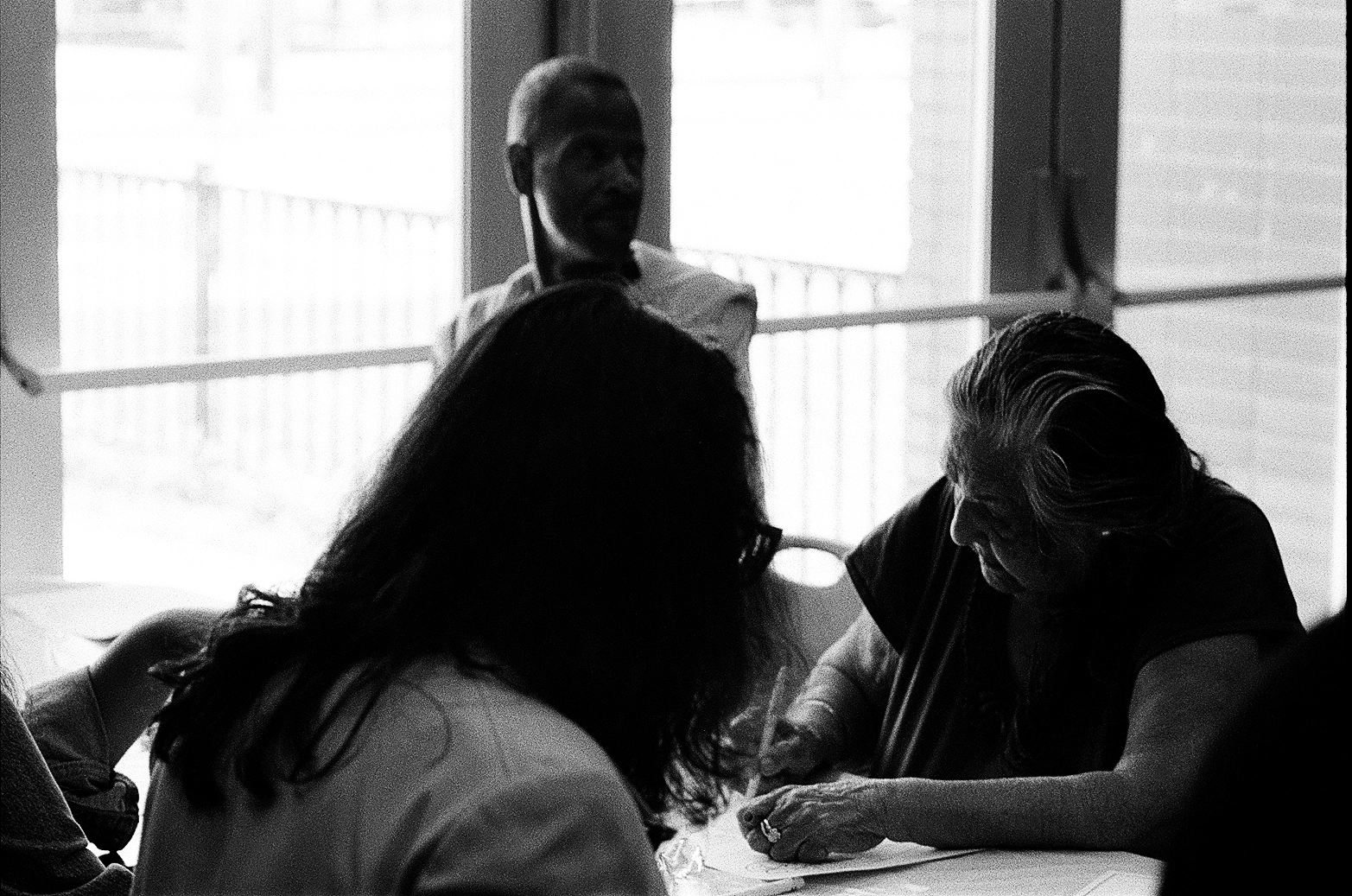
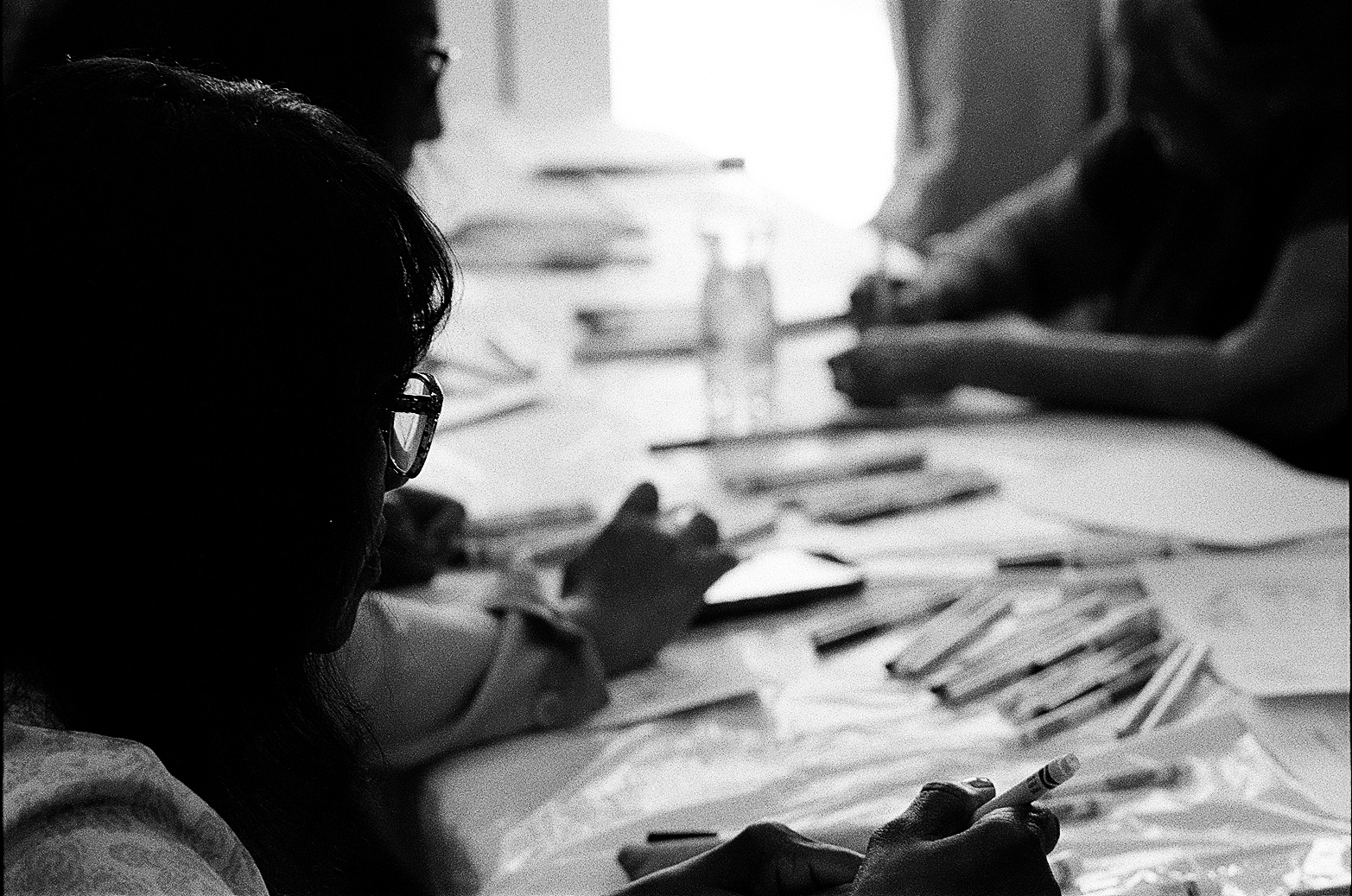
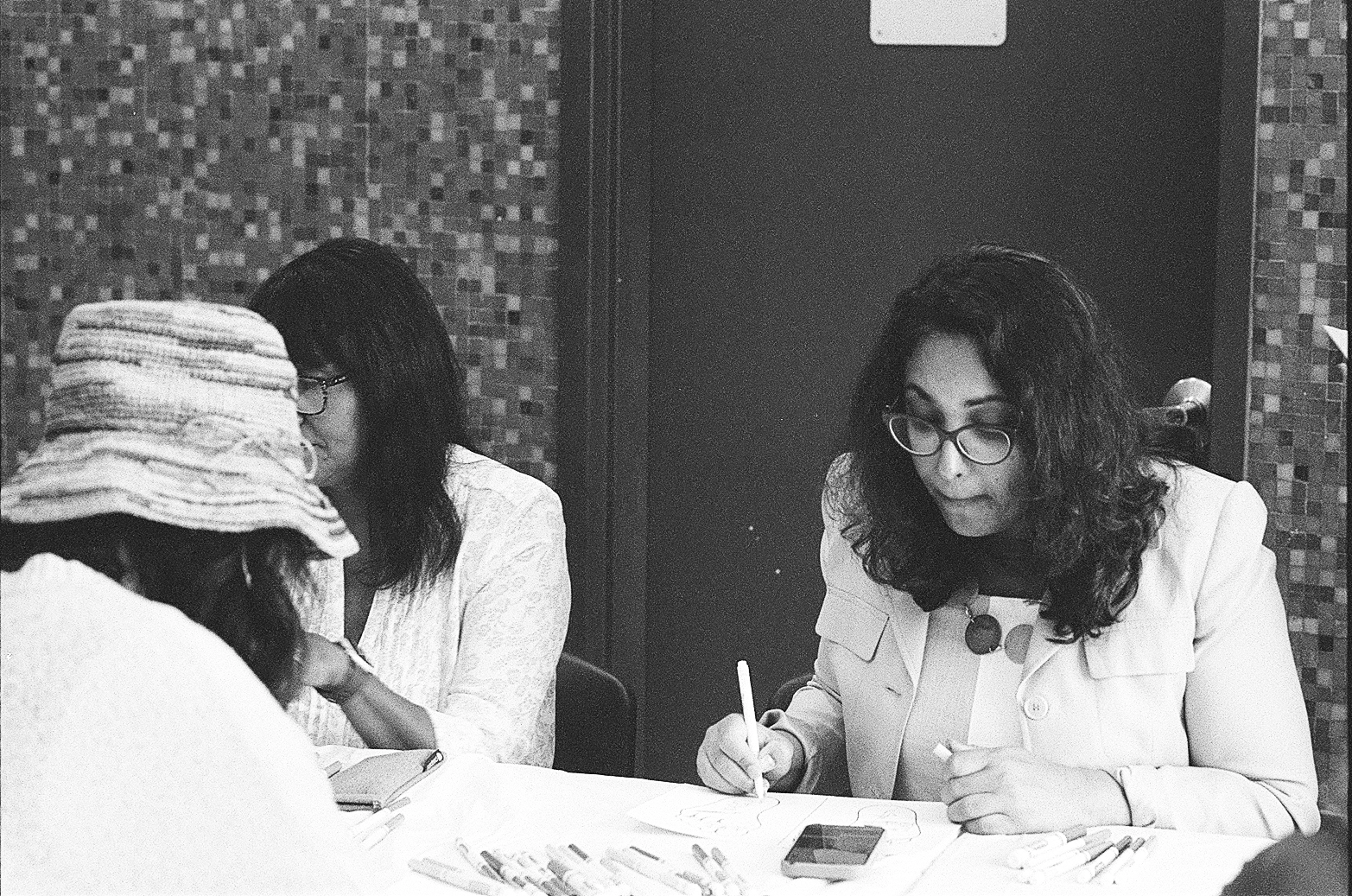
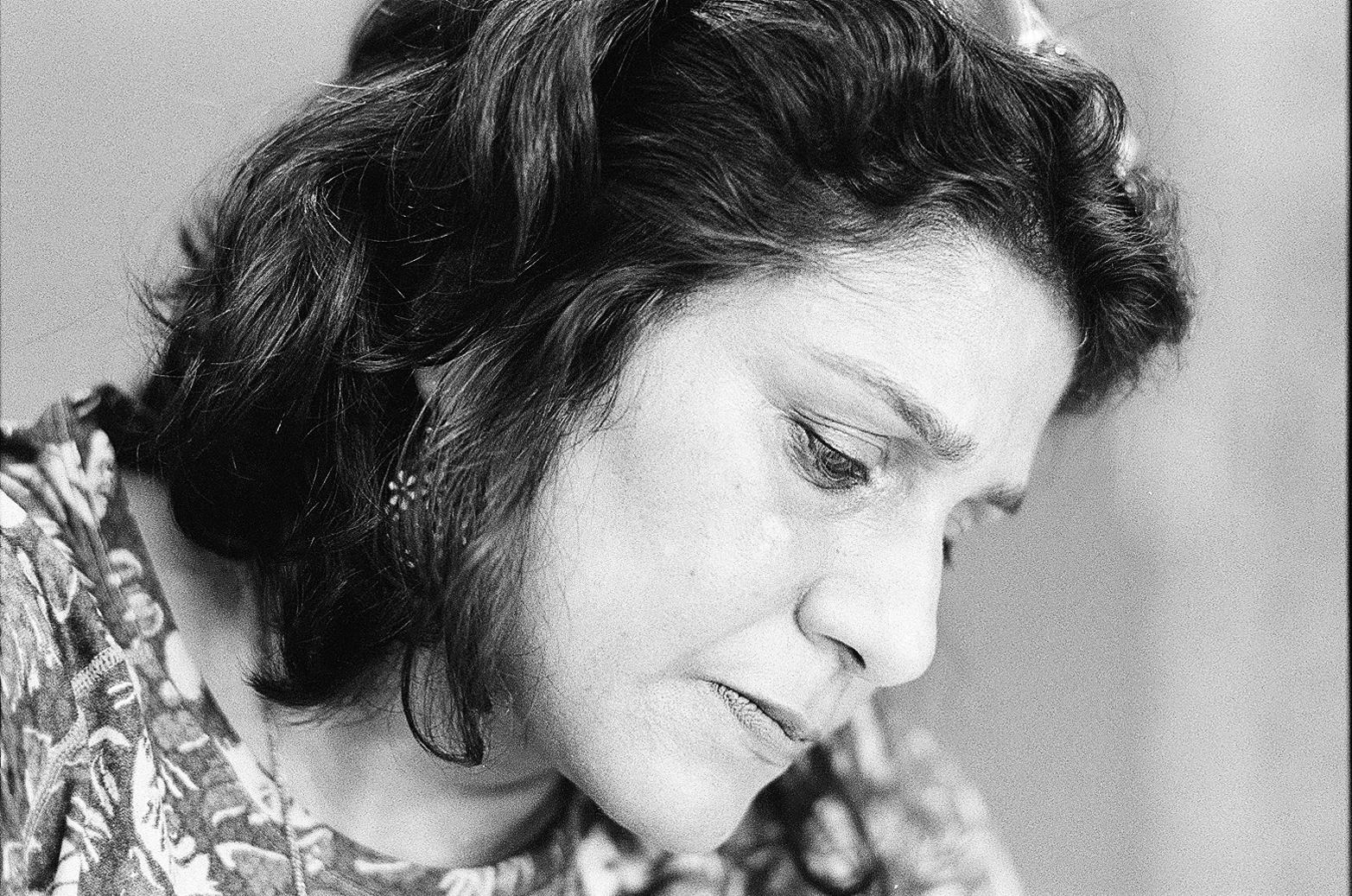
The South Asian American immigrant labor dialogue was an intimate gathering in the Jersey City Public Library Five Corners Branch in Journal Square. The discussion itself reflected the complex layering of work and class in a community that ranges from H1-B tech, teachers, domestic and service industry labor gas station attendants and healthcare workers.
The poem reflects on these narratives with the thread of the Statue of Liberty herself who signifies both feminine power and the strength of migration.
One story starts here.
In 1965. the Immigration and Nationality Act is passed
& Lady Liberty, an immigrant herself, beams over the choppy Hudson River,
extends a copper hand with a torch.
She invites all shades of people
of the world
to enter America
lawfully.
Hey there lady,
she says, plucking a young midwife from Guyana
for whom the local land had felt flat when she needed to rise.
Come and be our city’s nurse.
The nurse born on the edges of
paddy fields and dirt roads
arrives to work in the Jersey City Medical Center.
She discovers cement streets and waning streetlights.
A matriarch, the nurse brings 70 other Bahadurs with her.
One person opens the door for a whole community.
Only what makes us ‘us’? the nurse wonders.
Is it our films, “shards of Hindi,”
should we make our homes a fortress,
not let too much of the outside world change us.*
Only in the Jersey City Medical Center,
the nurse is part of a
a circle of women from around the globe
who befriend one another
& the world is contained in one place of work.
Another story begins here.
On the streets of Jersey City’s Journal Square,
sarees billowing accents.
Restaurants serving masala dishes and cinnamon sweets line Newark Avenue.
Stalls serve fresh betel leaf and sugarcane juice.
Hair and threading salons erupt.
Devotees erect temples and burn sandalwood incense.
Lady Liberty let these streets be filled with new sequins.
Only in the 1980s Dot busters try to smash the wheels of migration.
Begin busting bindis with bats.
Jump our boys!
A federal civil rights case is brought.
The first time the feds came to town
pounded down for a South Asian.
The people are finding their feet-
Standing up.
The story continues here.
In the 1990s, men arrive from Punjab to pump gas at Exxon, Shell and Raceway.
An H1-B worker from Kerala wonders if the journey was worth it
& when she pulls up in her car to have the tank filled, gently asks,
What did you pay to come here?
& Are you happy?
I paid with my time and tears, the attendant replies.
A rose only becomes a rose by bearing thorns.
Wait, there is this story too.
In 2017, a mother lives alone on Newark Avenue.
She speaks Kannada and Hindi but no English
She travelled from Karnataka to Mumbai
recruited to work as a nanny in New York City
in the apartment of a diplomat
to pay for her children’s expenses back home.
Only the diplomat steals her checks for his own family.
Don’t tell anyone, he pleads with her, I’ll get in trouble for this.
Some years later, she finds a lawyer to give her back what she is due.
God looks out for me, you see, she says
as if to say, I may look defenseless but don’t be fooled.
Let’s leave the story here.
Each autumn there is the Navratri festival, closing off Newark Avenue.
The celebration of good over evil.
The triumph of Goddess Durga over a demon.
The worship of goddesses amongst us who cast their light,
fitting for a city made by those Lady Liberty
has brought & kept here.
Men, women and children flicker in blue, green and fuchsia.
Beat drums and chatter.
Dance in revolving circles,
Spinning, spinning, tapping each other with wooden sticks.
The restaurants feed everyone dosas and filtered coffee into the night.
A celebration of resilience & renewal fills these dim nights with light.
* “Shards of Hindi” comes from Gaiutra Bahadur’s book, Coolie Woman: The Odyssey of Indenture. (University of Chicago Press, 2013), which inspired this poem.